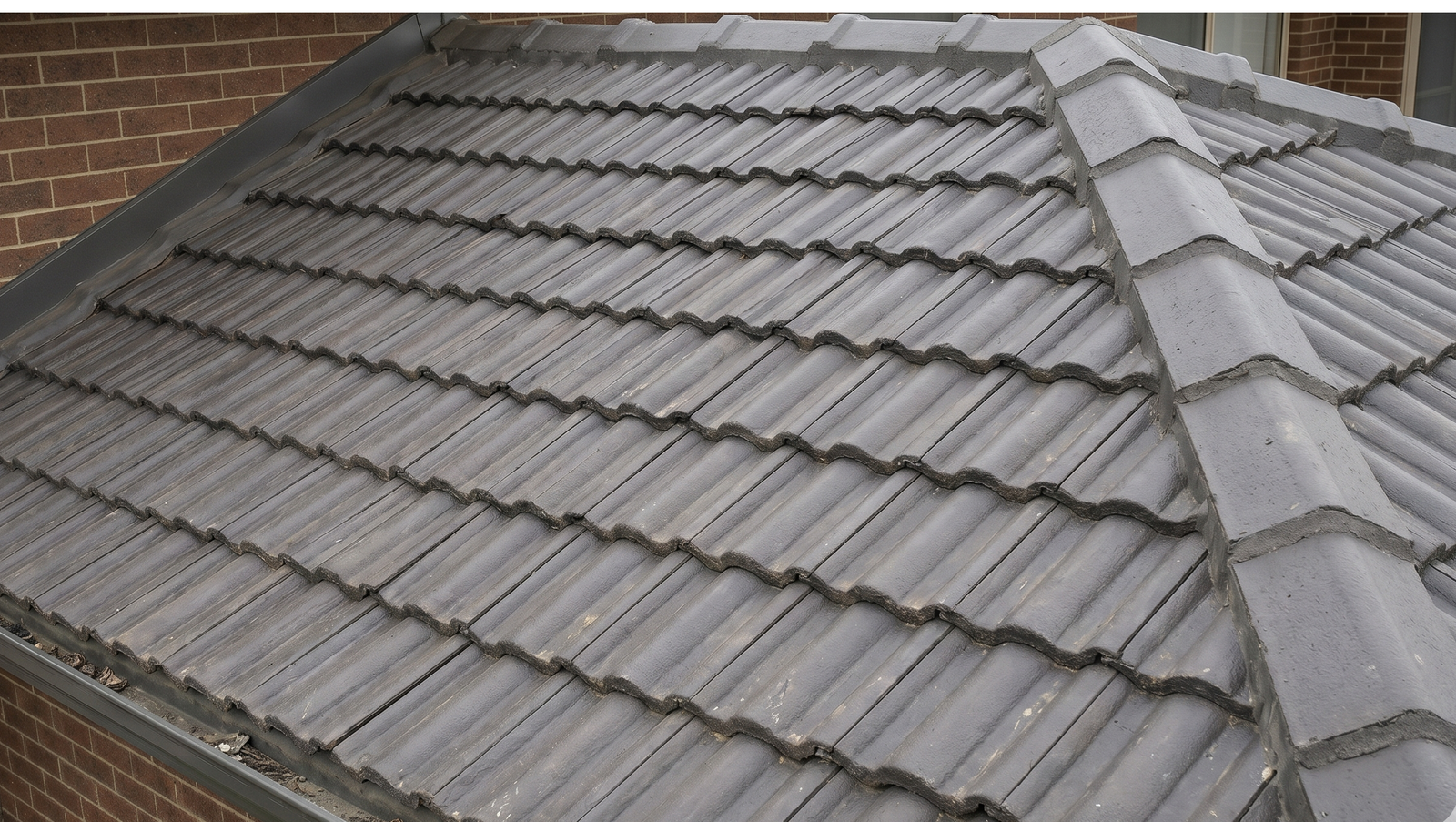
Small leaks don't stay small
It's tempting to ignore a leak that only drips a little during storms. But in Mackay's humid, subtropical climate, even a minor tile leak can trap moisture inside the roof cavity — and a hot, poorly ventilated roof space is exactly where that moisture does the most damage.
What happens up there
Trapped dampness combined with high attic temperatures creates an ideal breeding ground for mould and mildew. Within months, that moisture can begin to rot timber trusses, degrade plasterboard ceilings and affect the air quality inside the home.
That's how a simple, inexpensive tile repair quietly turns into a much larger project involving mould remediation and structural timber work.
Quick tip — A musty smell, dark patches on the ceiling, or paint bubbling near a known leak are signs moisture is already building up in the roof — it rarely improves on its own.
Warning signs inside the home
- A persistent musty or damp smell, especially after rain
- Spreading discolouration or dark spotting on ceilings
- Bubbling, flaking or sagging plasterboard
- Increased humidity or condensation in upstairs rooms
The cheapest time to fix it is now
The lesson homeowners take from this is simple: the longer a tile leak is left, the more it costs to put right. Dealing with the leak while it's still just a drip avoids the timber, ceiling and mould damage that makes delayed repairs so expensive.
Think this might be your roof? Get a free, no-obligation quote from a local Mackay tiled-roof repairer. Get in touch →